Lemon Grove highlight
Strong residential character
Transformed from a center of lemon cultivation into a suburban residential community during the post-World War II era, Lemon Grove is defined by single-family homes, tight-knit neighborhoods, and deep community roots.
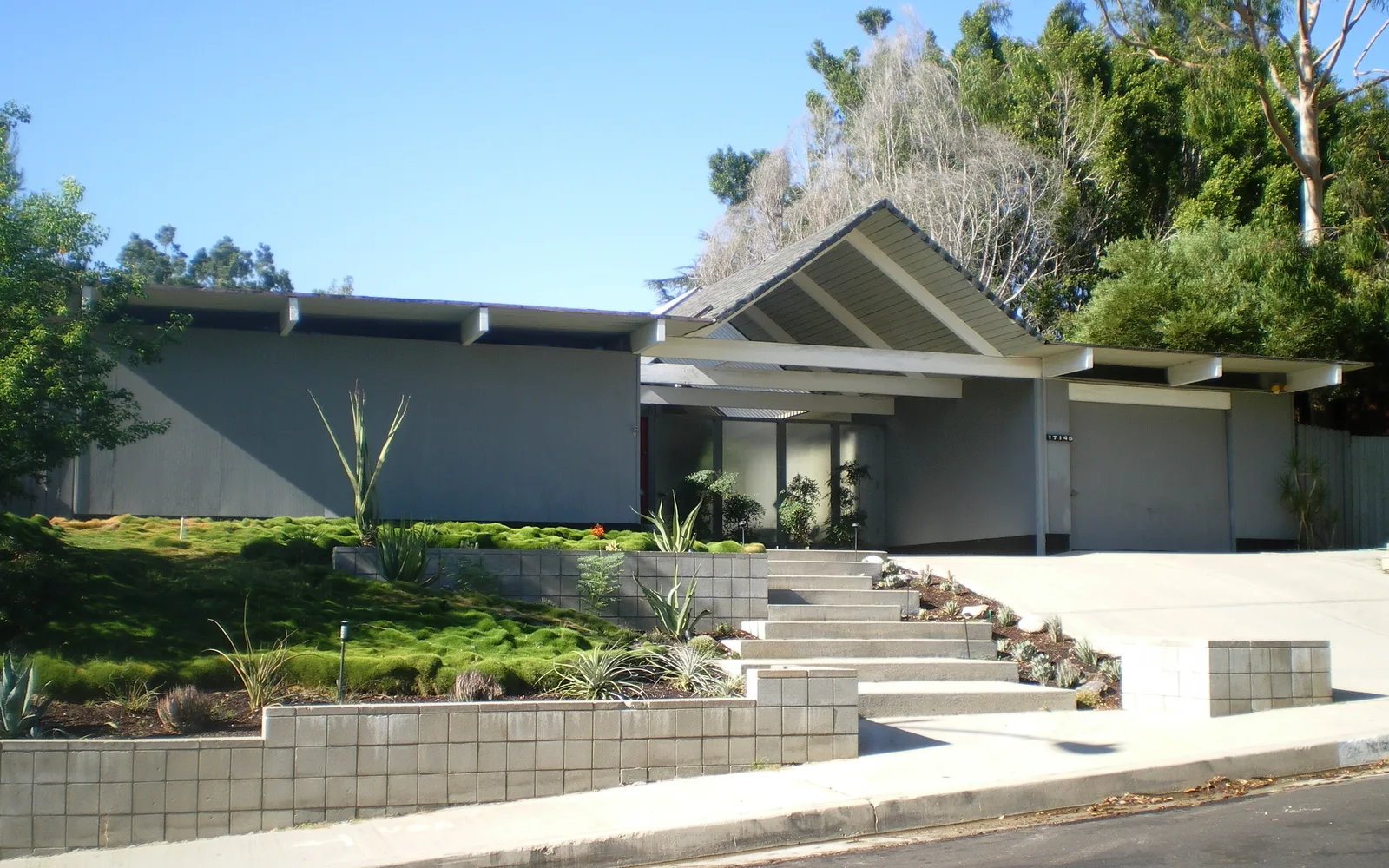
Lemon Grove's modern character took shape beginning in 1945, when citrus orchards that had blanketed the area since the 1890s were steadily plowed under for residential development. What had been a landscape of lemon and orange trees became the landscape of post-war American suburbs: single-family homes on small lots, tract developments, and the kind of neighborhood where families raised multiple generations. By the 1950s most of the agricultural land had been converted to housing, and by the time the city incorporated in 1977, Lemon Grove was fully established as the residential suburb it remains today.
Most houses in Lemon Grove sit on quarter-acre lots or smaller, the result of deliberate planning decisions that prioritized affordable housing and density over sprawl. The community's working-class character and accessibility to San Diego's employment centers and military installations made it appealing to families seeking stability and permanence. Residents mark that residential identity through neighborhood traditions—community bonfires, trunk-or-treat events in autumn, and the simple fact of neighbors staying long enough to know each other's names and circumstances.
A neighborhood rooted in family life and long-term residence is exactly the setting where life insurance makes sense. People who plan to stay, who watch their children grow, who know they will have obligations for years ahead—these are the households that benefit most from term coverage sized to the specific years when an income loss would matter most. A 20-year policy covers the mortgage and school years; a 30-year policy fits the longer view. Comparing actual rates across carriers is the first step to finding the coverage that fits the life you are building in Lemon Grove.